When considering the purchase of a listed property, there are many more items to consider than purchasing or altering a more modern property. What type of historic property are you looking to buy? Has the previous property owner carried out any unauthorised alterations? Do you know the current condition of the property? What is the property history? It is important that you consider all this and more before making a decision.
A listed building is a property that is considered to be of special architectural or historical interest and as such, the building as a whole is protected in regards to demolition, alterations and extensions. Any changes made to a listed building must be made following the acquisition of Listed Building Consent (LBC). However, it is important that clients looking into the purchase or renovation of a listed property receive professional support when looking at their financial and legal options.
Chiltern Associates have years of experience in advising on such properties and so can personal advice. This will ensure that you are well-informed regarding the legal ramifications and your responsibility to the property itself. When working with a listed building it is important that you request a consultation on your property before even starting the planning phase of any proposed works.
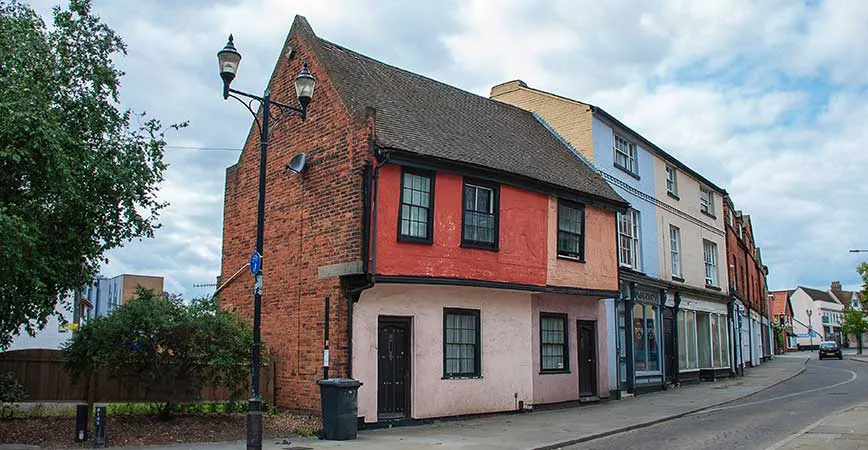
If the homeowner wishes to alter or extend a listed building in a way that affects its character or appearance; Listed Building Consent is required. It is better never to risk carrying out anything other than basic repairs and general building maintenance without first obtaining valid LBC. However, before applying for LBC, it is important that property owners are able to see the potential effects of any plans they have by speaking to a licensed professional.
When you purchase a listed property, you also inherit the responsibility of any alterations or renovations made without Listed Building Consent by previous owners. Unauthorised alterations to listed properties often come with a hefty fine from your local Conservation Officer, so it is essential that you are made aware of these alterations in order to avoid any unexpected home visits.
Chiltern Associates specialises in listed and historic building surveys in Suffolk, having surveyed listed properties of all types throughout our 30 plus years of experience in the property industry. With a detailed knowledge of the nature of listings, including the difference between Grade I and Grade II listings and many additional controls imposed by local authority, our team can advise on suitable ways to comply with listed building control. Chiltern Associates draws from comprehensive experience dealing with a wide range of issues commonly found in listed properties in order to provide clients with accurate, helpful advice every time.
Chiltern Associates offer experienced advice covering the concerns raised when work is being considered on a listed property. Our consultation service helps clients decide whether or not their plans are beneficial to the building in the long term, whether they will have any difficulty in obtaining LBC and much more. We can also offer insight into the history of the property, looking at period features.
By speaking, at length, with one of our experts, we can help you to make an informed decision on purchase and works needed afterwards.
More information regarding Historic Buildings can be found directly from the Historic England Website. You should read up on your responsibilities as a listed building owner before considering any alterations.
All of the above need specialist advice and specialist treatment. In addition, the Conservation Officer will require the use of matching materials in many cases, which can raise the cost of repairs and renovation.
RICS CHARTERED SURVEYOR

REVIEWS ON REALLY MOVING

Contact Nina Robinson and her team a call today We will beat pricing on any other genuine quote.