
When it comes to evaluating the condition and structural integrity of a property, two common types of inspections are the building survey and the structural survey. While these terms are often used interchangeably, there are important distinctions between the two that every property owner, buyer, or investor should understand.
Herein we will explore the key differences between a building survey and a structural survey, helping you determine which type of survey is most appropriate for your needs.
A building survey, also known as a property survey or a full building survey, is a comprehensive inspection of a property that examines both the interior and exterior. The primary goal of a building survey is to provide a detailed assessment of the property’s overall condition, identifying any issues or defects that may be present.
During a building survey in Suffolk or surrounding areas, our independent property surveyor will typically examine the following aspects of the property:
Structural Integrity: The surveyor will assess the soundness of the building’s foundations, walls, floors, and roof structure, looking for any signs of structural damage or instability.
Exterior Condition: The inspection will cover the property’s external features, such as the roof, walls, windows, doors, and landscaping, evaluating their condition and identifying any necessary repairs or maintenance.
Interior Condition: The independent property surveyor will examine the internal spaces, including the condition of the floors, walls, ceilings, fixtures, and fittings, as well as any signs of dampness, mold, or other issues.
Services and Systems: The survey will also assess the property’s mechanical, electrical, and plumbing systems, ensuring they are functioning correctly and meeting relevant safety standards.
Energy Efficiency: The surveyor may also evaluate the property’s energy efficiency, providing recommendations for improvements that could enhance the building’s environmental performance and reduce operating costs.
By the end of a historic building survey, our chartered historic building surveyor will provide a comprehensive report detailing the property’s condition, any identified issues, and recommendations for necessary repairs or improvements. This information is invaluable for property owners, buyers, and investors, as it allows them to make informed decisions about the property’s viability and future maintenance requirements.
In contrast, a structural survey is a more specialized inspection that focuses solely on the property’s structural integrity. This type of survey is typically conducted by structural engineers when there are specific concerns about the building’s structural soundness, such as signs of foundation problems, subsidence, or significant structural damage.
During a structural survey, our structural engineer or surveyor will take a deeper dive into the property’s structural elements, including:
Foundations: The surveyor will carefully examine the condition of the building’s foundations, looking for any cracks, settlements, or other signs of distress.
Load-Bearing Structures: The inspection will assess the condition and integrity of the property’s load-bearing walls, columns, and beams, ensuring they are capable of supporting the building’s weight.
Roof Structure: The surveyor will evaluate the roof’s framing, checking for any signs of deterioration or structural issues that could compromise the building’s stability.
Structural Modifications: If the property has undergone any structural alterations or renovations, the surveyor will assess the quality and compliance of these changes.
Subsidence and Ground Conditions: In some cases, the structural survey may also involve an examination of the surrounding ground conditions, particularly if there are concerns about subsidence or soil instability.
The structural survey report will provide a detailed analysis of the property’s structural condition, highlighting any areas of concern and recommending appropriate remedial actions. This information is critical for property owners, buyers, or investors who need to understand the structural soundness of a building before making a purchase or embarking on a major renovation project.
Before you purchase any historic building in Suffolk, you must get expert historic building advisory services from our experts, who will guide you with the necessary details and suitability of buying your preferred historic property.
Your choice of getting a building survey or a structural survey depends on your specific concerns and needs and the property’s age and conditions.
Here are some general guidelines from our experienced surveyors:
Building Survey: A building survey is typically the recommended option for a standard property purchase or assessment, as it provides a comprehensive evaluation of the property’s overall condition and detects any visible or hidden defects or structural issues that need to be addressed.
Structural Survey: A structural survey is more appropriate when there are specific concerns about the building’s structural integrity, such as signs of foundation problems, significant structural damage, or planned renovations that may impact the building’s load-bearing elements.
It is important to note that in some cases, a combined building and structural survey may be the most appropriate approach, as it provides a thorough assessment of both the overall condition and the structural integrity of the property.
By understanding the differences between a building survey and a structural survey, property owners, buyers, and investors can make more informed decisions and ensure that their investment is protected. When you are purchasing a property, you can request a building survey from our experienced independent property surveyor. If the survey report highlights any structural defects, it’s time to go for a structural survey to know the intensity of the structural problem and what could happen if the problem is not sorted out. This will include proof of defects or structural issues and provide actionable insights or measures a property owner can take to resolve the issues.
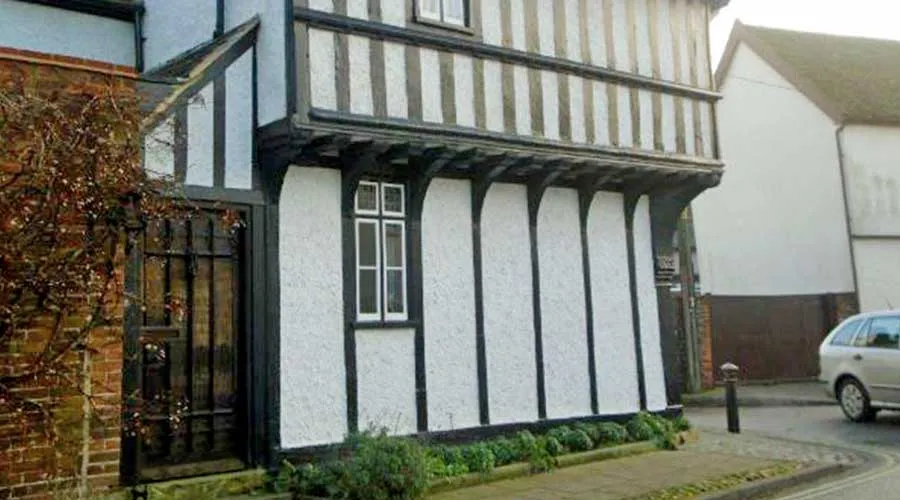
When it comes to evaluating the condition and structural integrity of a...
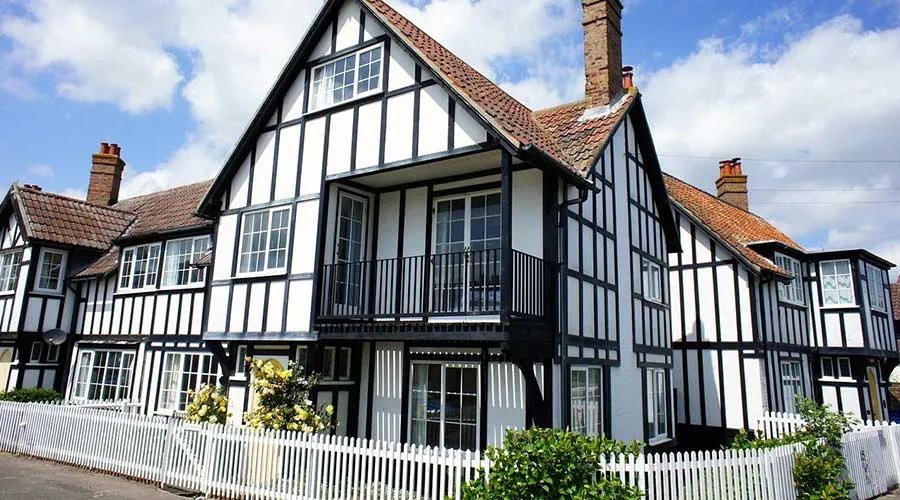
When it comes to evaluating the condition and structural integrity of a...

When it comes to evaluating the condition and structural integrity of a...
RICS CHARTERED SURVEYOR

REVIEWS ON REALLY MOVING


Contact Nina Robinson and her team a call today We will beat pricing on any other genuine quote.