
Having a listed building is both a privilege and a responsibility. Listed buildings have historic importance, architectural quality, and statutory protection and require special consideration when undertaking surveys, maintenance, or improvement works. Whether you have just purchased a Grade II cottage in the Suffolk countryside or you are responsible for the upkeep of a Georgian townhouse, a qualified historic property surveyor is necessary.
With so many surveyors marketing their services, how do you select the right historic property surveyor to deal with your building in 2025? Let us look at what makes a historic property surveyor qualified, and how to be sure you are in safe hands when caring for your listed building.
Not all buildings are created equal, and not all surveys are equal either. While a home survey for the modern property will look at specific materials, layouts, and construction methods, listed buildings will encounter some very different considerations:
Selecting a general surveyor who does not have specific specialist knowledge of historic buildings may miss important issues or may give you inappropriate repair advice that risks causing irreversible damage.
When searching for the right surveyor in 2025, keep the following key criteria in mind:
Look for a surveyor who regularly works with historic buildings, not one who simply “can” survey them. Check their portfolio or ask for examples of previous reports on properties similar to yours. Whether it’s a medieval hall house or a Victorian rectory, your surveyor should understand the property’s era-specific risks and construction quirks.
Historic property surveyors must balance condition assessment with conservation. They should be able to identify which features contribute to the property’s historic significance and advise on preserving them correctly. This includes knowing when modern interventions are unsuitable—and offering sympathetic alternatives.
In 2025, regulations around listed buildings remain strict, and unauthorized work can lead to legal consequences. Your surveyor should understand the planning framework, including what requires listed building consent and how to liaise with conservation officers when necessary.
Ensure your surveyor is a member of RICS (Royal Institution of Chartered Surveyors) and ideally has additional accreditation such as RPSA or training in conservation work. These bodies uphold professional and ethical standards and indicate a qualified, competent professional.
Even with complex heritage buildings, your surveyor should provide a report that is clear, understandable, and actionable. Look for someone who explains findings in plain English, includes photographic evidence, and highlights urgent versus cosmetic issues.
Before selecting your historic property surveyor, ask these helpful questions:
These questions not only help you gauge the surveyor’s experience but also their ability to guide you beyond the report if necessary.
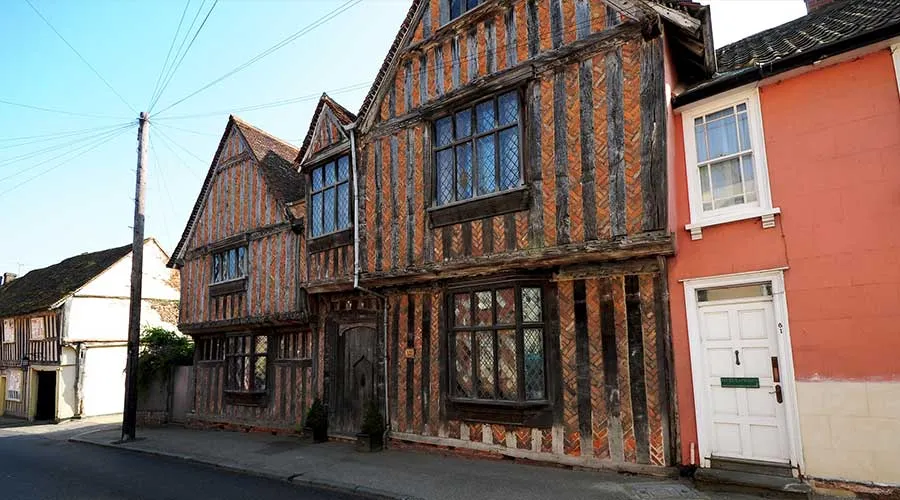
When it comes to historic properties, local knowledge is arguably equally as important as a professional qualification. Suffolk alone has a varied mix of vernacular architecture, from timber-framed, medieval houses through to brick, Georgian properties and flint-walled cottages. There are also differences in the local soil types, weather conditions, and building techniques that will vary regionally. A local surveyor will therefore be able to identify issues that others might miss.
A Suffolk-based surveyor who regularly assesses the condition of listed buildings in Aldeburgh, Woodbridge, Framlingham, etc., or within its countryside, will have a better awareness of local materials and established relationships with the local planning departments and conservation officers to save you time and hassle.
If you are looking for an independent residential building surveyor in Suffolk who works with listed and historic properties, we can help.
Chiltern Associates has many years of experience surveying some of the finest heritage homes in and around Suffolk, and can prepare full, detail-rich, conservation-led surveys appropriate for the age, type, and condition of your property. Our RICS qualified team understands the local context, regional materials, and decision-making requirements and reports in a way that is clear, concise and careful.
Whether you are purchasing, altering, or conserving your listed building, Chiltern Associates can provide professional assurance for your property with a view to the future.
If you would like to discuss your needs or commission a historic property survey, please do get in touch.

Having a listed building is both a privilege and a responsibility. Listed...

Having a listed building is both a privilege and a responsibility. Listed...
Having a listed building is both a privilege and a responsibility. Listed...
RICS CHARTERED SURVEYOR

REVIEWS ON REALLY MOVING


Contact Nina Robinson and her team a call today We will beat pricing on any other genuine quote.